Understanding prosthesis reimbursement
Untangle the complexities of the Belgian system to make the most of your rights
Navigating the Belgian prosthesis reimbursement system can be complex and discouraging. This practical guide helps you understand your rights and improve your chances of getting coverage suited to your needs.
The legal framework: INAMI and the nomenclature
In Belgium, prosthesis reimbursement is regulated by the National Institute for Health and Disability Insurance (INAMI). The nomenclature defines precisely which equipment is reimbursed, under what conditions and to what extent.
Basic principle: Basic prostheses are generally well reimbursed, while advanced technologies often require a financial contribution from the patient.
Types of reimbursement by prosthesis
Lower-limb prostheses
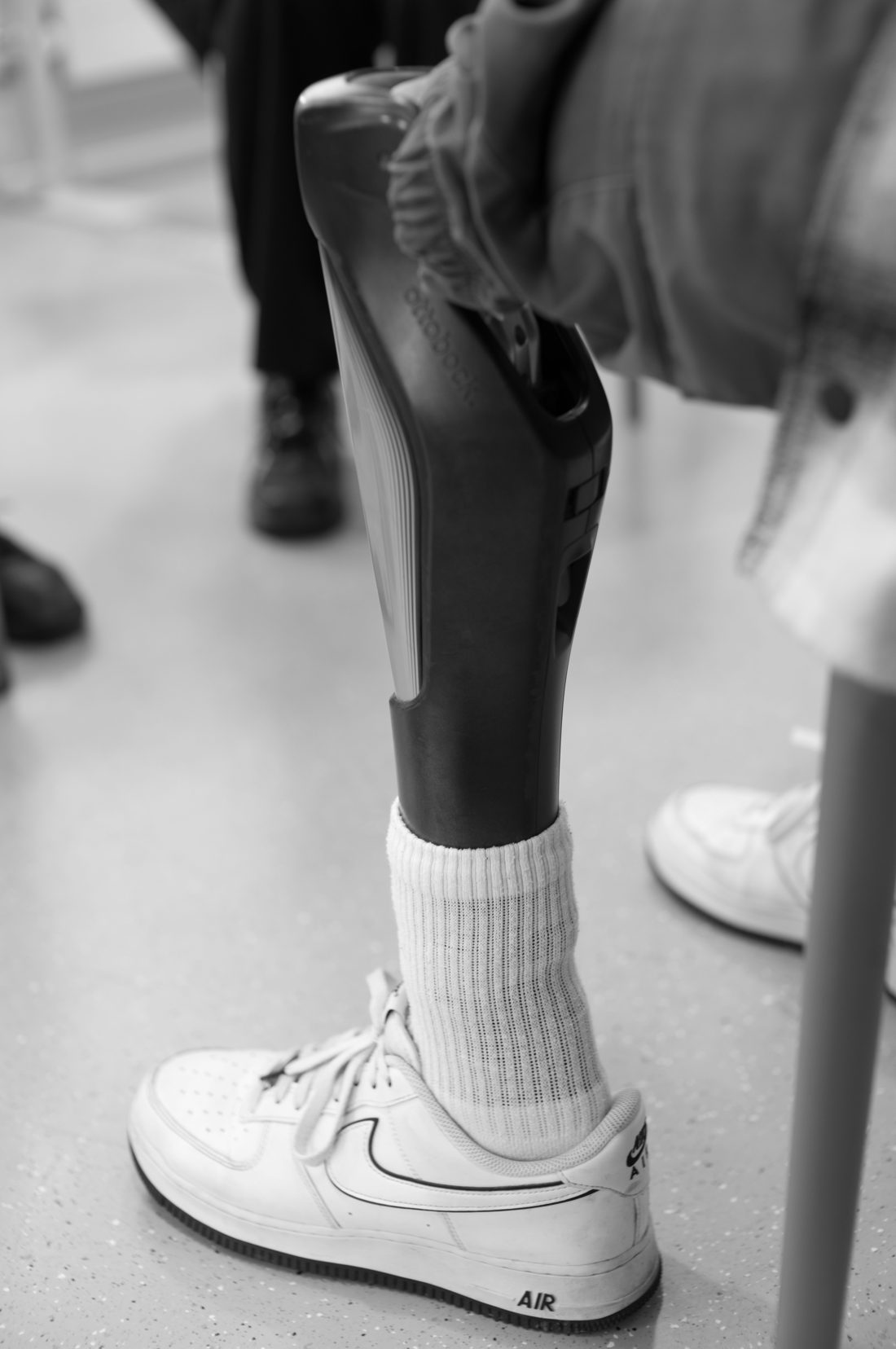
Basic prostheses: A standard leg prosthesis is often fully reimbursed if it is medically necessary. Most patients therefore pay no co-payment for a basic prosthesis.
Advanced prostheses: More sophisticated technologies (advanced feet, electronic knees) may require a supplement paid by the patient. The amount depends on the technology and on your health fund's agreement.
Electronic knees: Reimbursed since 2021, but under strict conditions. A multidisciplinary team must prove the added value for your quality of life.
Upper-limb prostheses
Arm, hand and finger prostheses follow similar rules to leg prostheses. Functional prostheses (myoelectric, bionic) receive better reimbursement than purely cosmetic ones.
Prostheses for children
Children and teenagers under 18 benefit from more favourable conditions:
- Shorter renewal periods (2-3 years)
- Growth is taken into account
- Partial or full reimbursement depending on the type
Conditions for reimbursement
Medical prescription required
A prescription from a specialist doctor is essential: orthopaedic surgeon, rehabilitation doctor or physical medicine doctor.
Approved supplier
Reimbursement is only possible with suppliers recognised by INAMI. Always check your prosthetist's approval.
Approval procedure
INAMI must approve the type of prosthesis and the reimbursement based on your medical file. This step is crucial and can take time.
Renewal periods: a critical point
The nomenclature imposes strict periods between renewals:
- Basic prostheses: 4 to 6 years depending on the type
- Myoelectric prostheses: 4 years minimum
- Children: 2 to 3 years (growth)
Warning: These periods do not take into account actual wear or changes in your needs. This is one of the main shortcomings of the current system.
The age limit: abandonment at 65
One of the most glaring inequalities of the Belgian system: after 65, no reimbursement is provided at all for new prostheses. This rule turns age into a discriminating factor for access to mobility.
What is NOT reimbursed
- Sports prostheses: No reimbursement by health insurance
- "Comfort" equipment: Accessories that are not medically necessary
- Early renewals: Except in documented exceptional cases
Other sources of funding
Private insurance
Some accident or disability insurance policies can top up INAMI reimbursements, particularly for advanced technologies.
Employers and health funds
Some employers or health funds offer additional contributions. Ask your HR department.
Charities
Associations such as "Un pas de plus" step in to fill the gaps in the official system, particularly for situations that are not covered.
Practical tips to make the most of your rights
- Document everything: Keep all medical reports and correspondence
- Plan renewals ahead: Start the procedure 6 months before the deadline
- Get support: An experienced prosthetist can make the difference
- Explore every avenue: INAMI, private insurance, employer, associations
- Do not hesitate to appeal: If refused, appeals are possible
